
 |  |
 |  |  |
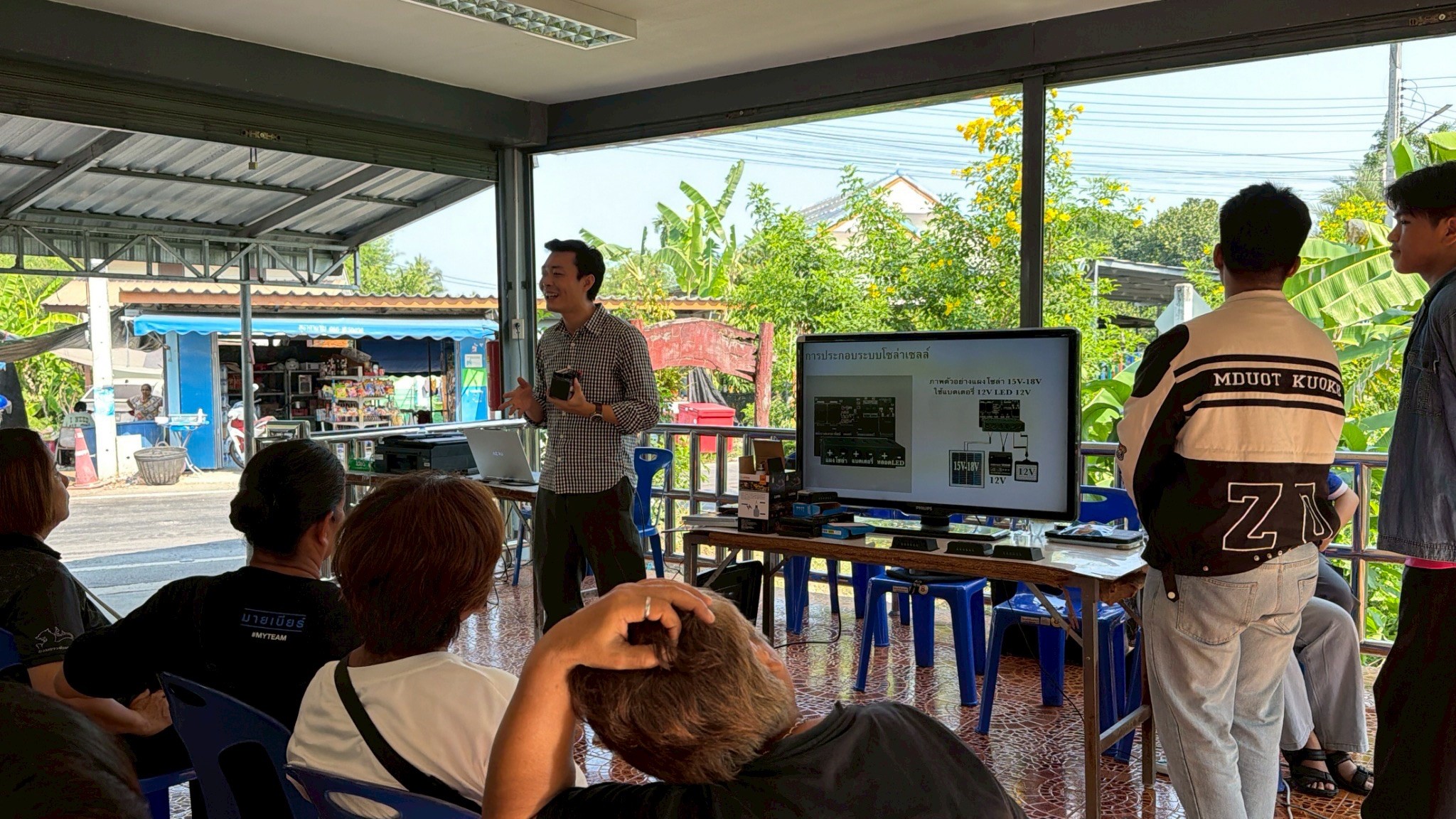 | 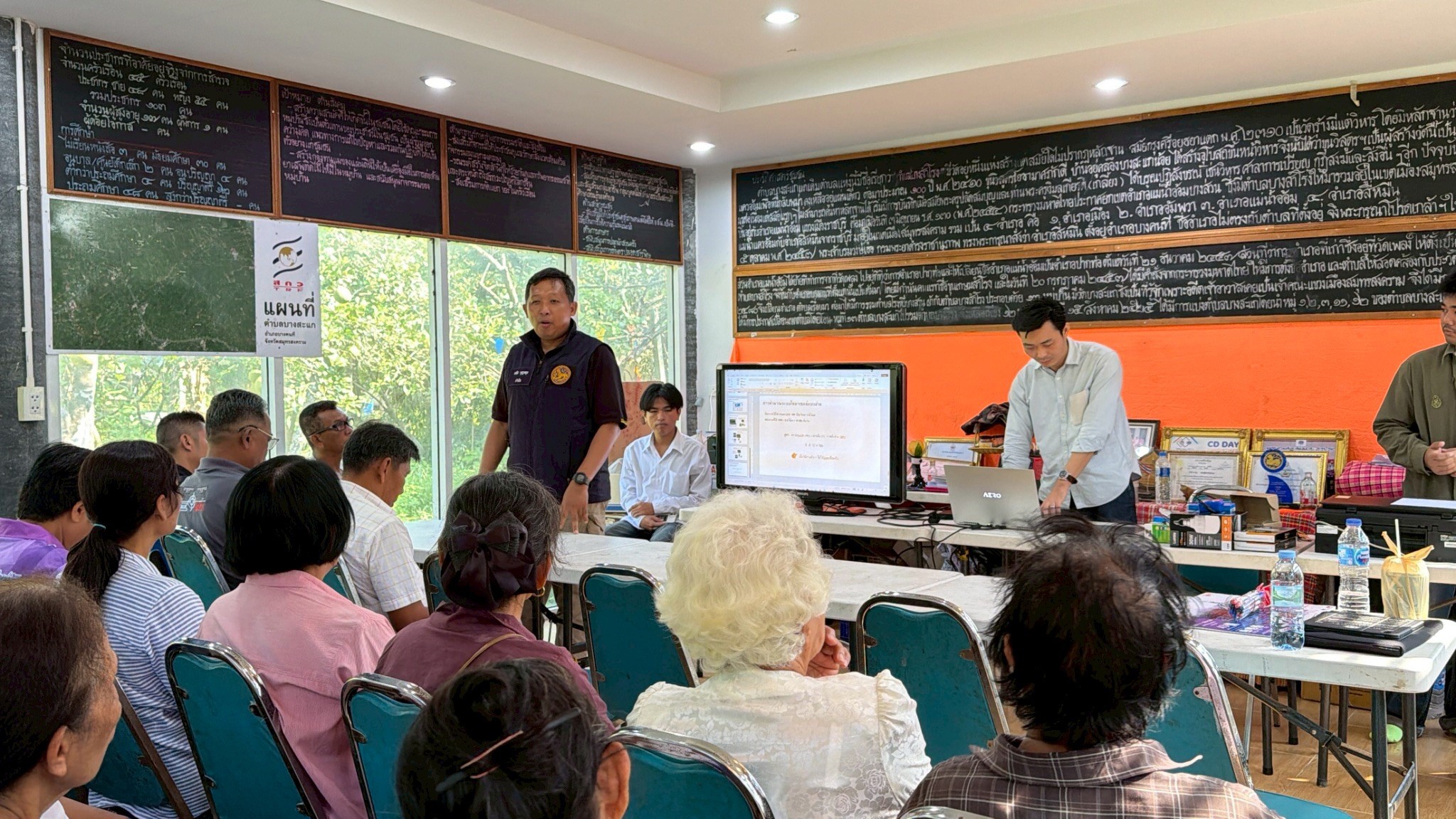 | 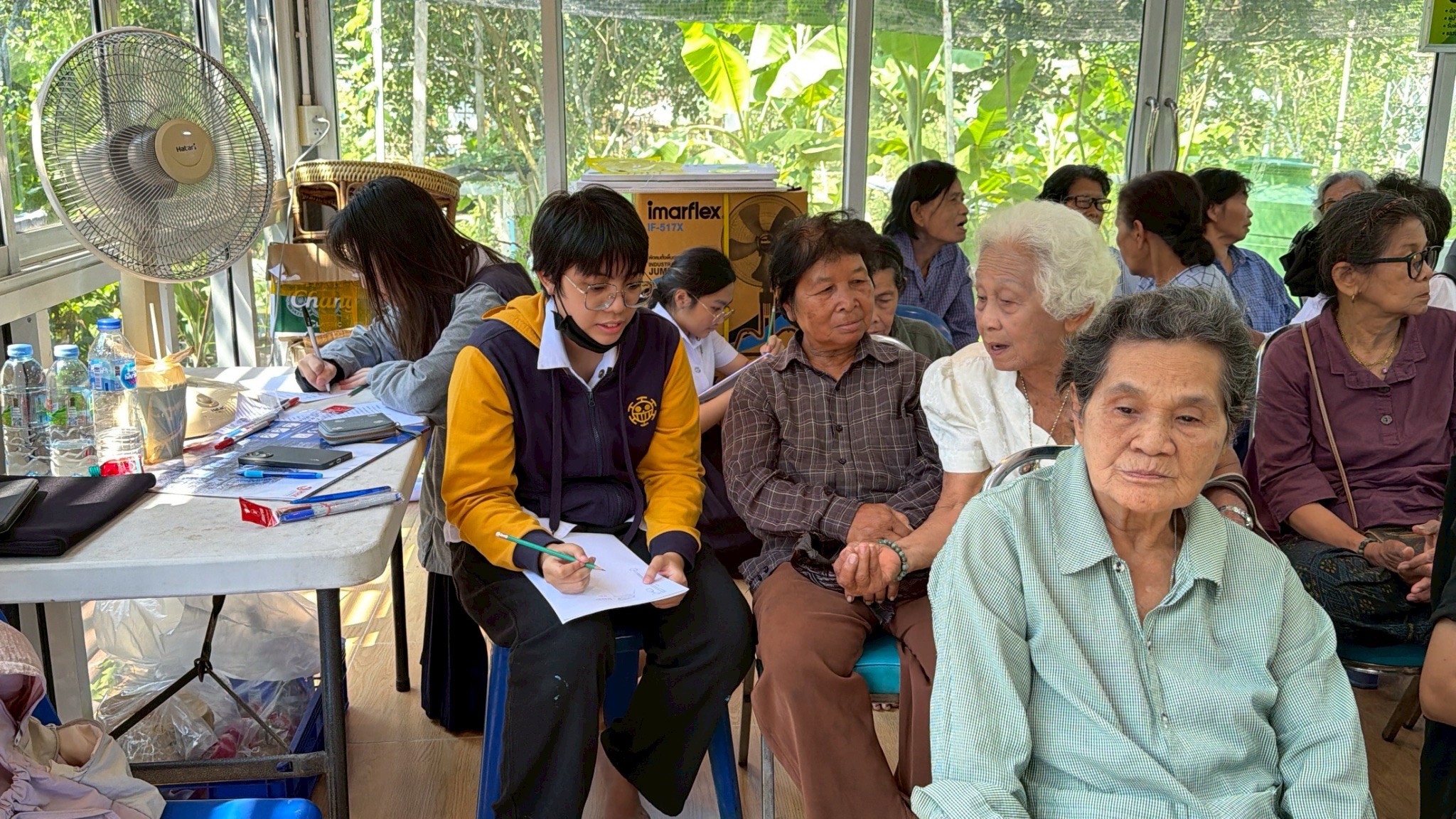 |
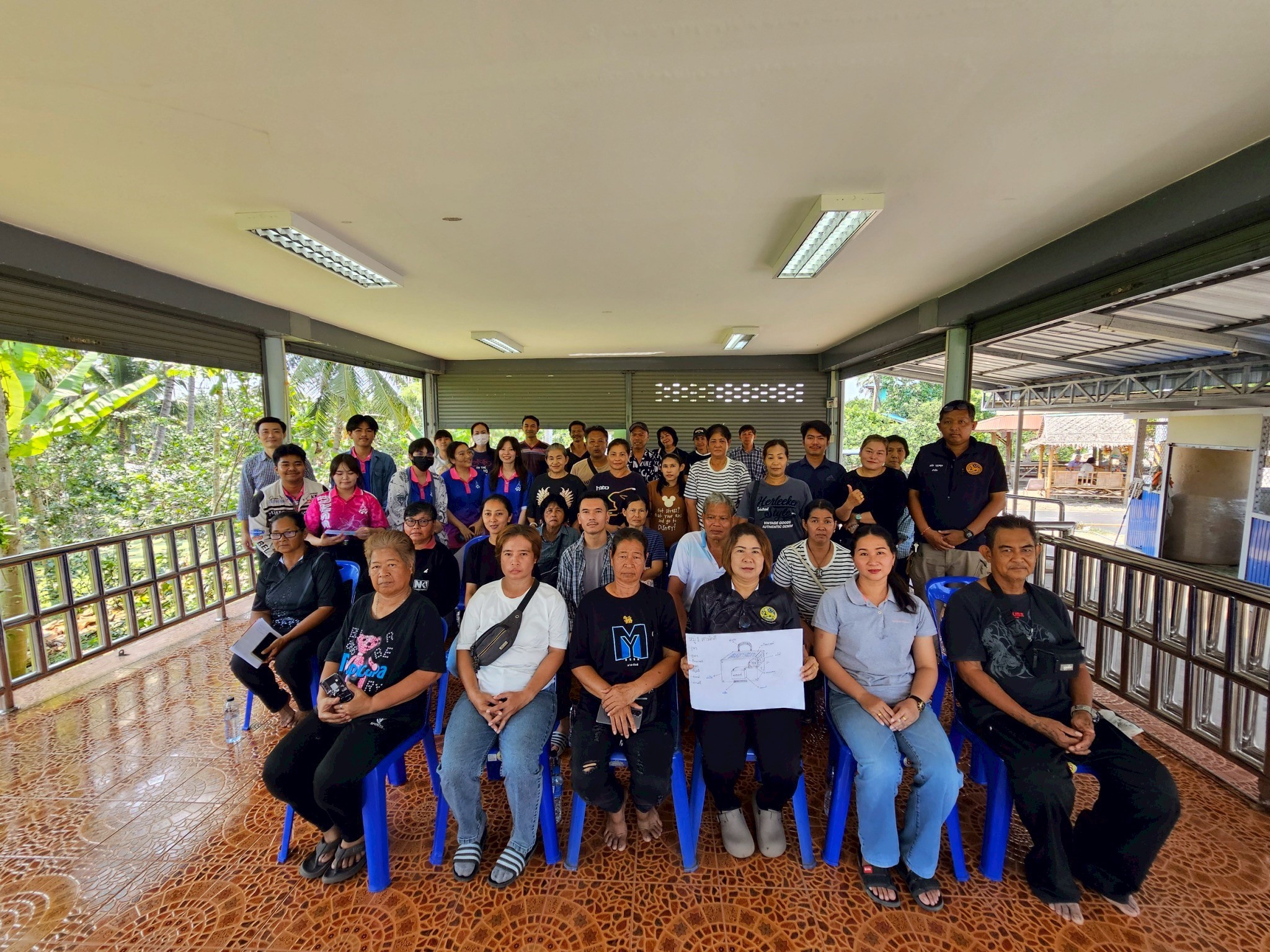
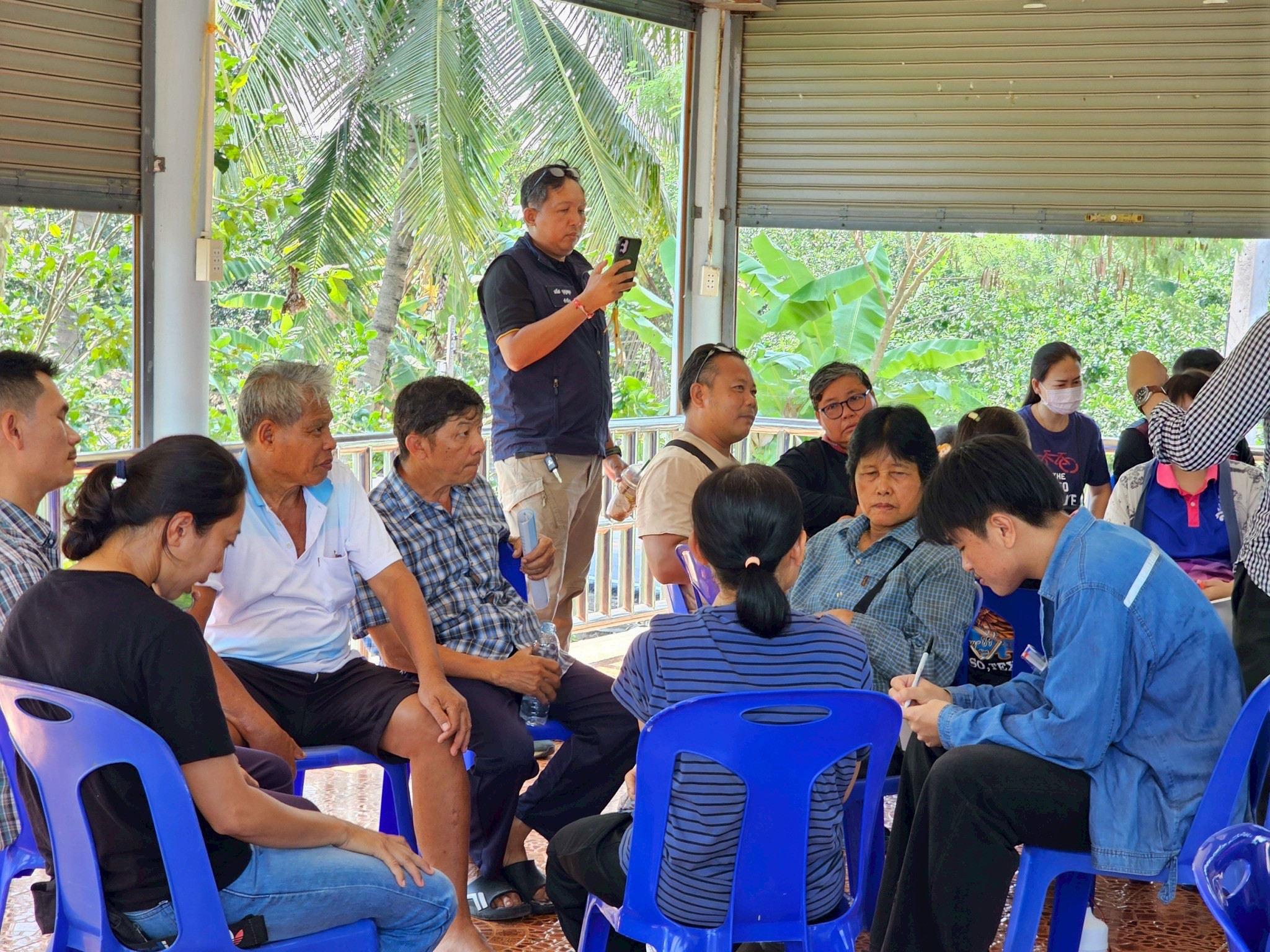
On March 25-26, 2026, the Faculty
of Fine Arts organized the project
“Enhancing the Application of
Solar Cells in Daily Life for
Communities to Improve Quality of Life
through Sustainable Social Engineering
Processes” at the Sufficiency
Economy Learning Center, Bang Sakae
Subdistrict, Bang Khon Thi District,
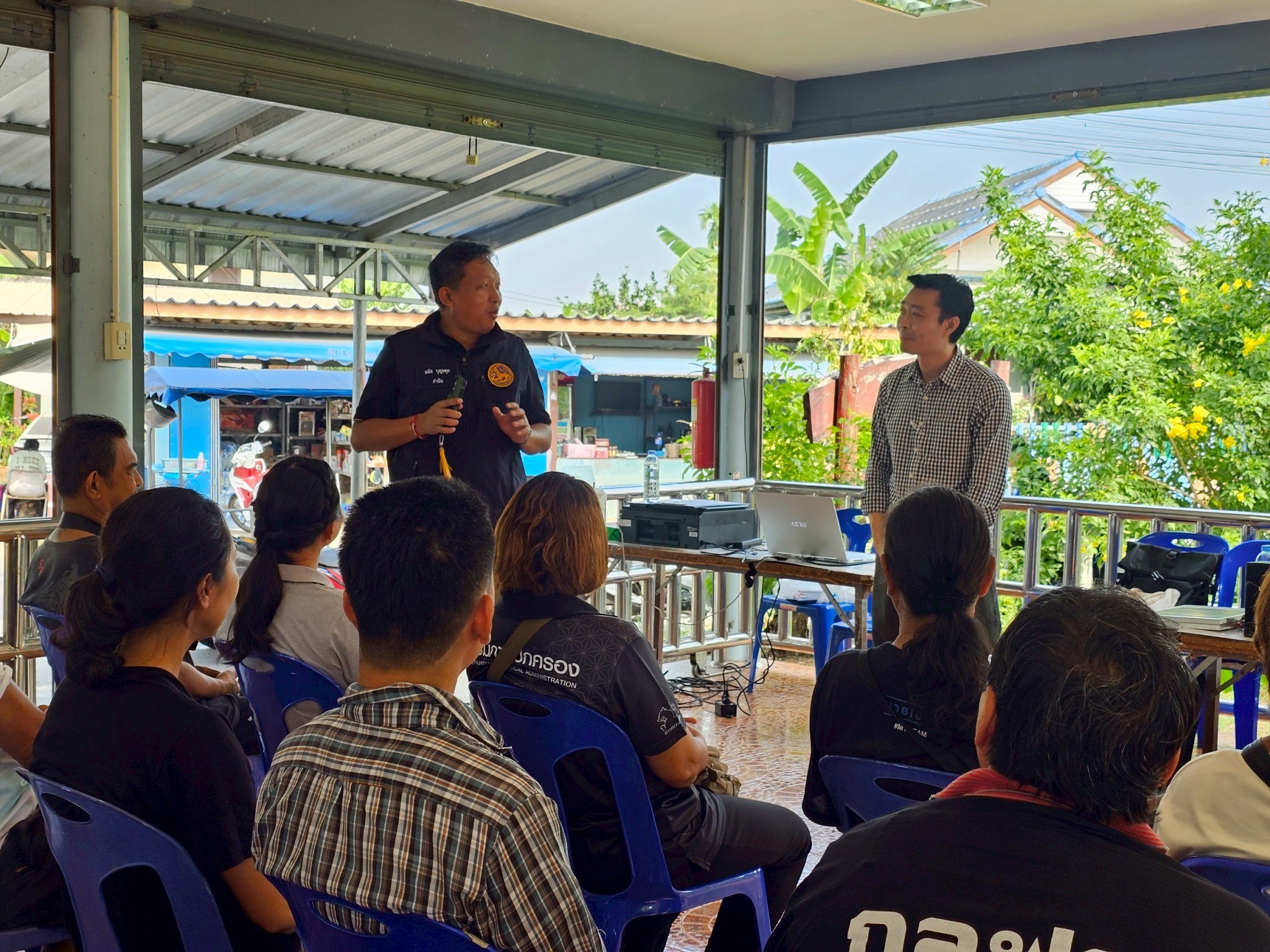
Samut Songkhram Province. Associate
Professor Wisut Siripornnopakhun, a
lecturer in the Digital Design and
Innovation program, served as the
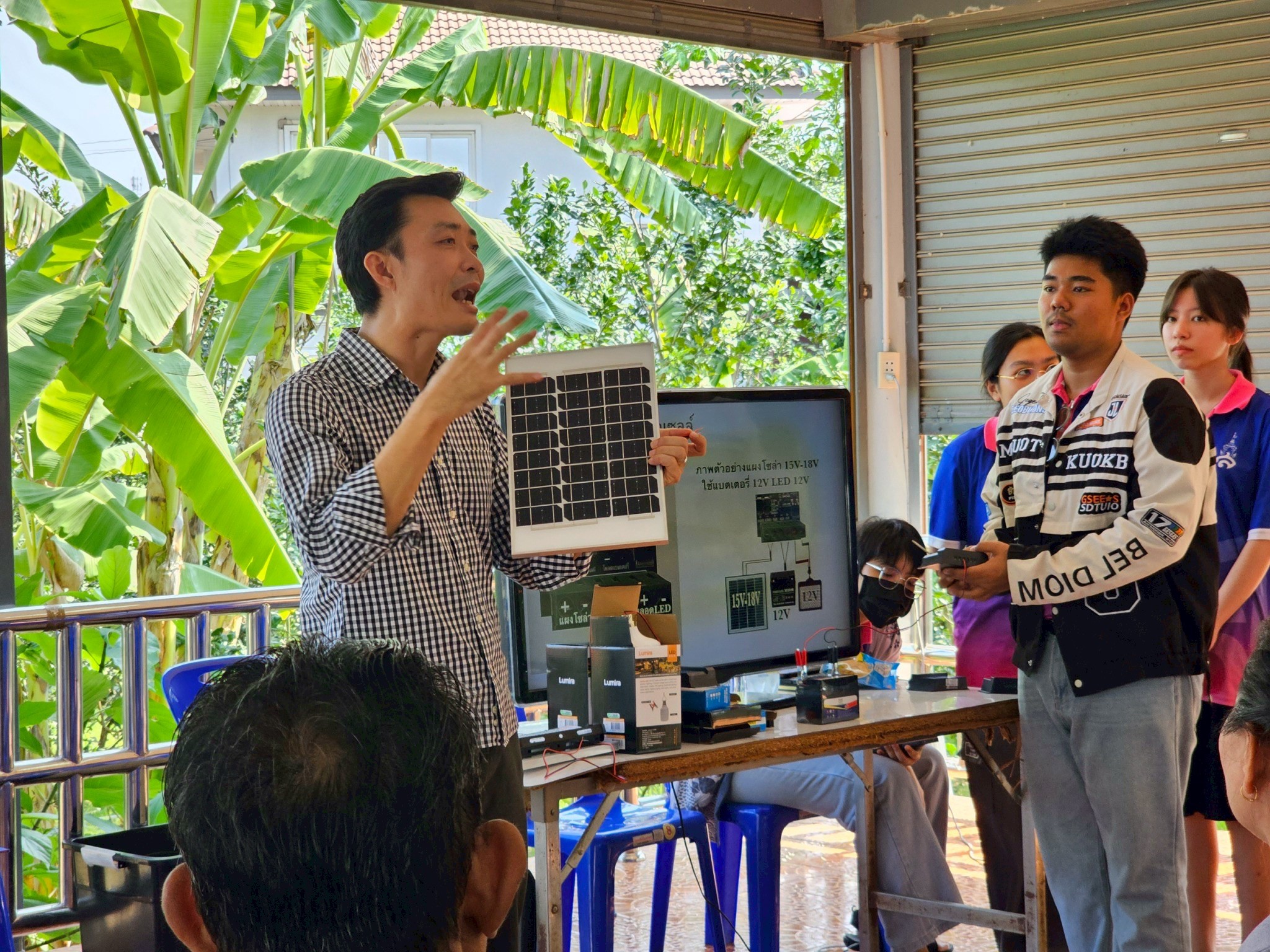
speaker, imparting knowledge on the
application of solar energy to the local
community.
The project stemmed
from a community survey that revealed
limitations in accessing knowledge about
renewable energy and a lack of
understanding of how to apply solar cell
systems in daily life to reduce energy
costs and increase household energy
security. The university designed a
hands-on learning process through
lectures, demonstrations, and practical
training with the
community.
Activities included
learning the basics of solar cell
systems for homes, designing small-scale
solar power systems, assembling lighting
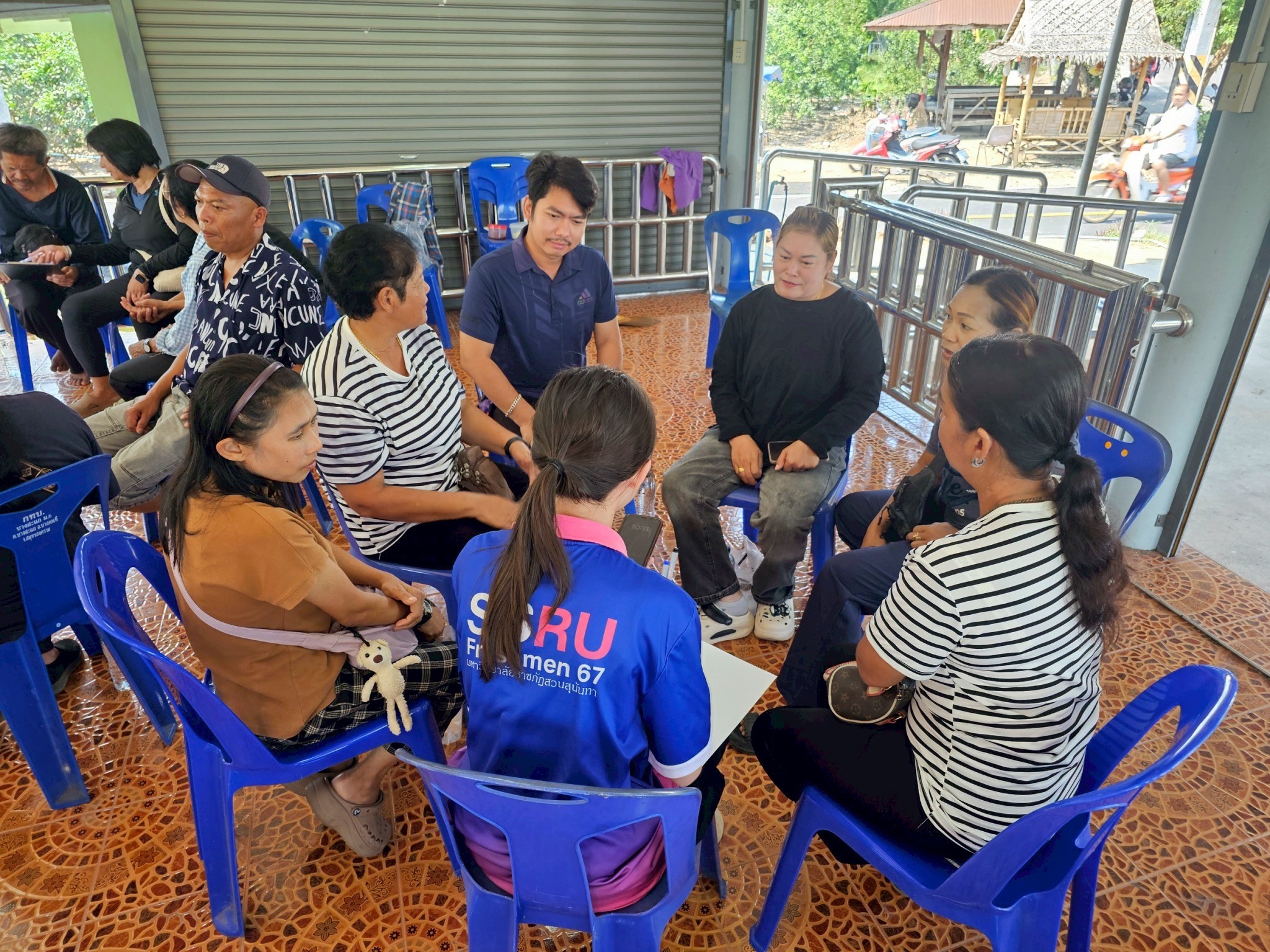
systems independently, and
collaboratively designing appropriate
applications for households and
community spaces. This enabled
participants to safely and
cost-effectively apply the acquired
knowledge.
Following the training,
the community was able to apply the
acquired knowledge to install and
operate solar-powered lighting systems
for residences, public areas, and to
support community activities and the
agricultural sector appropriately. This
resulted in the community gaining
knowledge, understanding, and design
skills. Selecting, installing, and
maintaining solar cell systems correctly
and safely can reduce reliance on
conventional energy sources, promote the
use of clean energy and energy
conservation, and ultimately improve the
quality of life and enhance energy
security in communities.
Furthermore,
the university continuously monitors the
application of this knowledge through
field visits, providing consultations to
community leaders and residents,
collecting feedback to develop
prototypes for applying solar cell
systems appropriately to the local
context, and promoting expansion
according to community development
plans. This enables communities to
efficiently maintain, repair, and
develop clean energy systems themselves,
leading to energy self-reliance based on
knowledge, innovation, and the
participation of all sectors, resulting
in sustainable long-term community
development.
This work aligns with
SDG 7, Clean Energy for All, through
knowledge transfer and promotion of
renewable energy at the community level;
SDG 4, Quality Education, through
practical learning processes that
develop the skills of citizens and
students; SDG 11, Sustainable Cities and
Communities, through empowering
communities to manage energy
appropriately; SDG 13, Climate Change
Adaptation, through promoting the use of
clean energy to reduce environmental
impact; and SDG 17, Partnerships for
Sustainable Development, through
integrated collaboration between the
university, students, and communities in
developing quality of life based on
knowledge and innovation.
Suan
Sunandha Rajabhat University aims to
expand knowledge in clean energy to
develop community innovations,
supporting citizens in appropriately
utilizing renewable energy to create
energy security, reduce expenses, and
sustainably improve the quality of life
in communities.
Public
Relations
FAR Facebook Fanpage
: https://www.facebook.com/FARSSRUfanpage/
FAR website
: https://far.ssru.ac.th/
twitter : https://twitter.com/pr_far
instagram
: far_ssru_fanpage
SSRU
website : https://ssru.ac.th/home